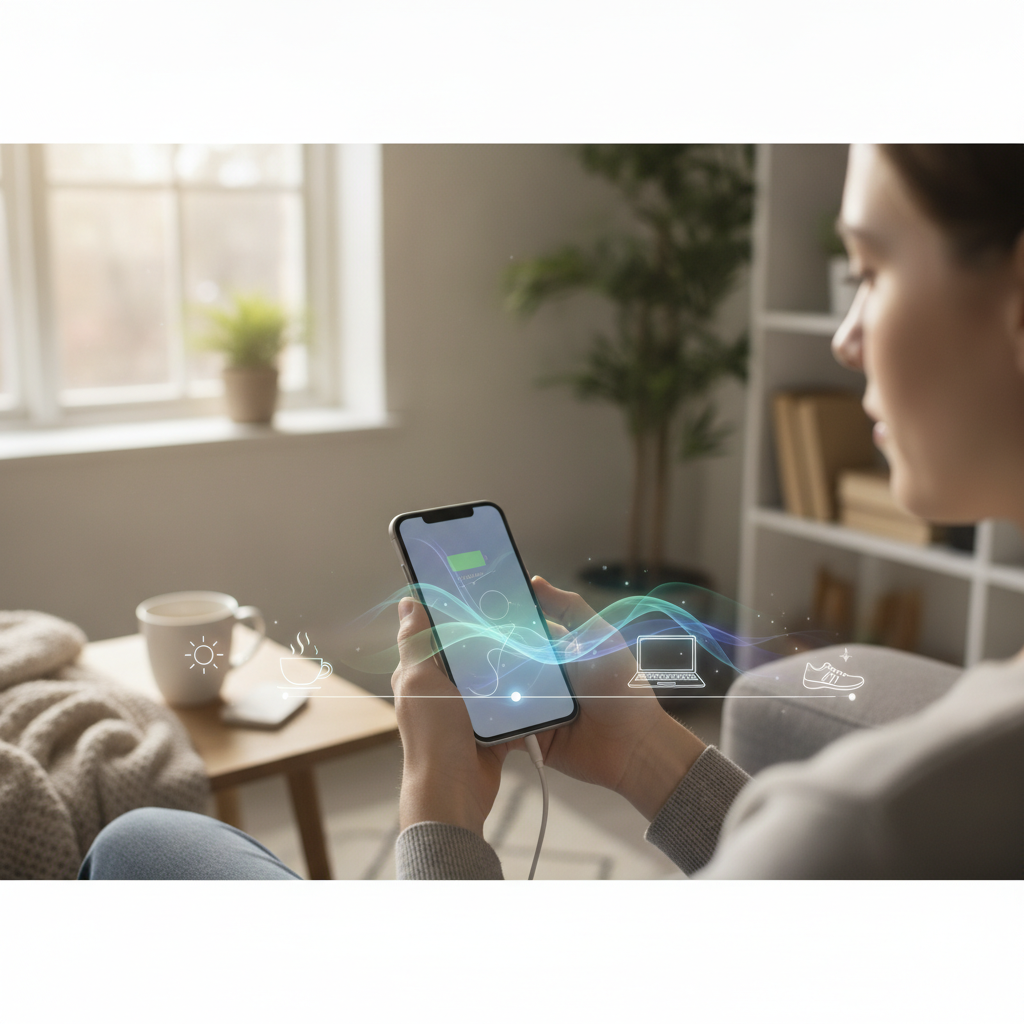
Smartphone batteries have always been a compromise — packed into slim devices and asked to last through increasingly demanding days. What's changed in recent years is that the software managing those batteries has grown remarkably intelligent, shifting from passive power delivery to active, personalized energy management. Adaptive battery technology represents one of the more quietly significant advances in mobile hardware, one that most users benefit from without ever fully understanding how it works.
What Adaptive Battery Technology Actually Does
At its core, adaptive battery technology uses on-device machine learning to study how a person uses their phone throughout the day. It tracks which apps are opened regularly, when screen-on time tends to peak, and which background processes rarely — if ever — receive attention. Based on those patterns, the system restricts or suspends power delivery to apps that aren't likely to be needed in the near future. Rather than treating all apps equally, the phone begins allocating energy based on behavioral probability. Google introduced this approach through Android's Adaptive Battery feature, and Apple has built similar logic into its optimized battery charging and background app management systems.
The Role of On-Device Machine Learning
The learning process happens entirely on the device, which matters for both speed and privacy. Rather than sending usage data to a remote server, the phone's neural processing unit — found in chips like Qualcomm's Snapdragon 8 series or Apple's A-series chips — handles the pattern recognition locally. Over days and weeks, the model builds a behavioral profile specific to that user. Someone who checks email at 7 a.m., streams music during a midday commute, and uses navigation apps in the evening will see the phone preemptively managing resources around those windows. The system doesn't need perfect data — it refines its predictions continuously as habits shift.
How Background App Restrictions Work in Practice
One of the most impactful elements of adaptive battery management is aggressive background app control. When an app is identified as rarely used during a particular time window, the system places it in a restricted state — preventing it from refreshing content, syncing data, or running processes that drain power without delivering value. Samsung's One UI handles this through its own adaptive power-saving layer, which categorizes apps into usage tiers and adjusts their background permissions accordingly. The result is that the battery isn't continuously taxed by apps sitting idle in memory. Users typically notice longer screen-on time without any manual configuration.
Optimized Charging and Long-Term Battery Health
Adaptive technology extends beyond real-time power management into charging behavior as well. Modern smartphones can learn when a user typically plugs in for the night and when they're likely to unplug in the morning. Rather than charging to 100% immediately and holding there for hours — which degrades lithium-ion cells over time — the phone charges to around 80% quickly, then slows the final charge to arrive at full capacity just before the typical wake time. Apple calls this Optimized Battery Charging; Android manufacturers including OnePlus and Google have implemented comparable systems. Over months and years, this approach measurably slows battery degradation, preserving capacity that would otherwise diminish.
Personalization Without Any User Input Required
One of the more compelling aspects of adaptive battery systems is that they require no configuration from the user. There are no schedules to set, no manual restrictions to apply. The phone observes, adjusts, and improves quietly in the background. For most people, this means the battery experience improves noticeably after the first two to three weeks of ownership, as the system accumulates enough behavioral data to make confident decisions. Users who have irregular schedules — shift workers, frequent travelers — may find that the system takes longer to establish stable patterns, but it continues adapting rather than locking into assumptions.
What You Can Do to Work With the System
While adaptive battery technology works without intervention, a few habits help it perform at its best. Keeping your phone's operating system updated ensures you're running the most current version of its power management algorithms — both Google and Apple push improvements to these systems through regular software updates. Avoid manually force-closing apps constantly, as this can disrupt the behavioral data the system is building. If your phone offers a battery usage breakdown in settings, reviewing it occasionally gives you a clear picture of which apps are consuming the most power and whether any warrant individual attention. Charging consistently — even roughly at the same times — gives the optimized charging feature a reliable pattern to work with, which pays off in long-term cell health.
Adaptive battery technology is still evolving, and the next wave of improvements will likely tie more tightly into predictive AI that accounts for calendar events, location data, and even ambient environmental factors. As chips become more efficient and on-device models grow more sophisticated, the gap between a phone's rated battery capacity and its real-world performance in daily use will continue to narrow. The most meaningful shift isn't in the size of the battery itself — it's in how intelligently the software has learned to treat every milliamp-hour as something worth protecting.