Health

How Spending Time Outdoors in Natural Light During Winter Months Affects Mood, Vitamin D, and Sleep Quality
Spending time outdoors in natural light during winter can significantly improve mood, support vitamin D levels, and regulate sleep quality through your circadian system — and it doesn't take much time to see real results.
By Emily Rodriguez | Sep 08, 2026

Why Resistance Bands Deserve a Permanent Spot in Your Workout Routine Alongside or Instead of Free Weights
Resistance bands have long been dismissed as beginner tools, but their unique mechanical properties and accessibility make them a serious option alongside or instead of free weights for building lasting strength.
By Robert Kim | Sep 05, 2026

How Eating Fermented Foods Daily Affects Gut Microbiome Diversity and What That Means for Immunity Over Time
Daily consumption of fermented foods can meaningfully shift gut microbiome diversity, with downstream effects on how the immune system regulates inflammation and responds to threats over time. Understanding the biological mechanisms helps explain why consistency matters more than occasional use.
By Emily Rodriguez | Sep 02, 2026

What Adding a Short Evening Walk After Dinner Actually Does to Blood Sugar and Digestion According to Current Research
A short walk after dinner does more than help you unwind — research shows it meaningfully reduces post-meal blood sugar spikes and supports digestion in ways that add up over time.
By Emily Rodriguez | Aug 30, 2026

How Tracking Your Resting Respiratory Rate Can Be an Early Signal of Illness or Overtraining
Resting respiratory rate is one of the earliest signals your body sends before illness or overtraining catches up with you. Here's how to track it, build a baseline, and act on what the data is telling you.
By Michael Thompson | Aug 27, 2026

Why Stretching Only After Workouts Is Only Half the Picture and How Morning Mobility Work Changes Daily Posture
Post-workout stretching is helpful, but it only addresses tension after it builds. A short morning mobility practice prepares your joints, improves posture, and changes how your body feels throughout the entire day.
By Emily Rodriguez | Aug 23, 2026

How Shifting Your Largest Meal to Midday Instead of Evening Affects Digestion, Energy, and Weight Over Time
Shifting the largest meal of the day to midday rather than evening aligns eating with the body's natural metabolic rhythms, affecting digestion, energy levels, and long-term weight in measurable ways.
By Emily Rodriguez | Aug 20, 2026
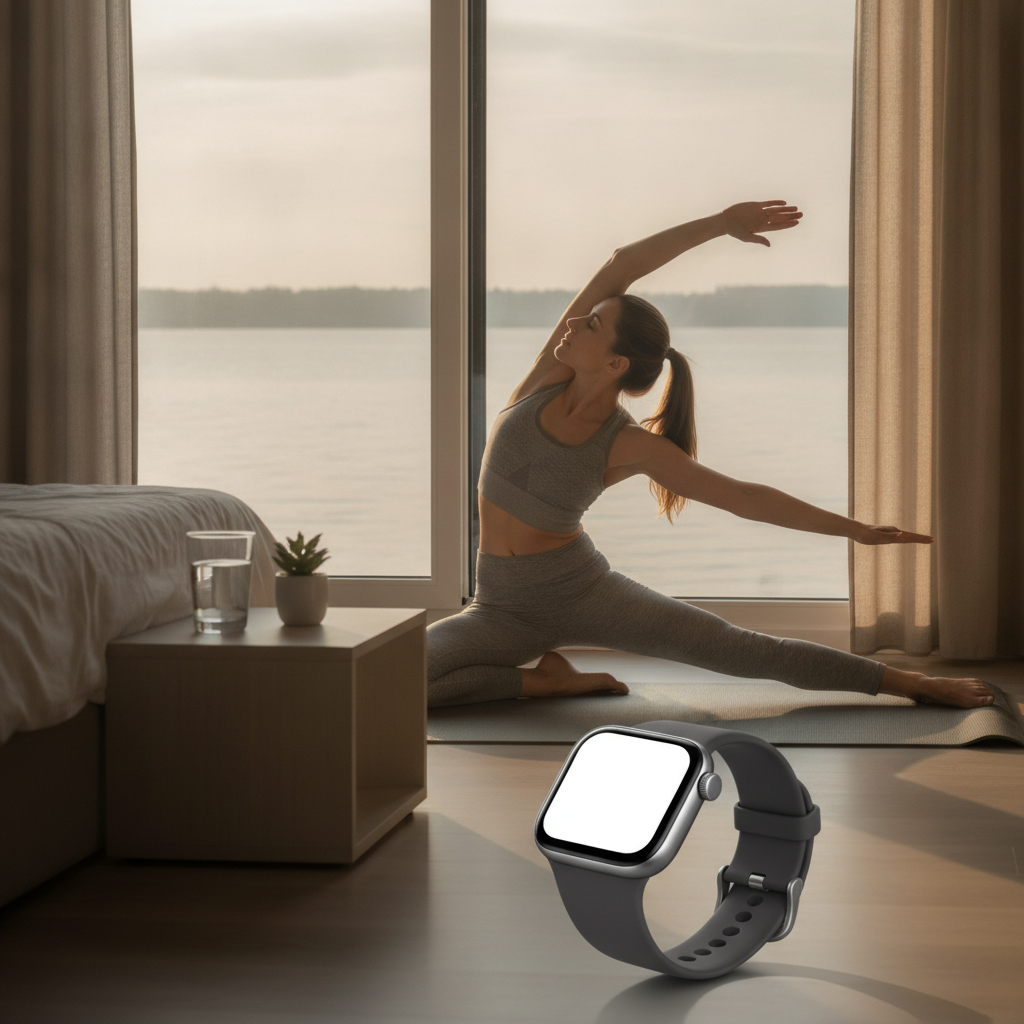
Understanding Resting Heart Rate Trends and What Gradual Changes Over Weeks Actually Signal About Cardiovascular Fitness
Your resting heart rate trend over weeks reveals far more about cardiovascular fitness than any single reading. Learn what gradual changes actually signal and how to use that data smartly.
By Amanda Foster | Aug 17, 2026

How Eating the Same Meals at Consistent Times Each Day Affects Hunger Hormones and Appetite Regulation
Eating at consistent times and repeating familiar meals does more than simplify the day — it actively shapes how hunger hormones like ghrelin and leptin regulate appetite. Understanding this connection offers a practical path to steadier energy and more manageable cravings.
By Amanda Foster | Aug 14, 2026

What Strength Training Twice a Week Actually Does to Bone Density, Metabolism, and Long-Term Joint Health
Two strength training sessions a week may seem minimal, but the effects on bone density, metabolic rate, and joint resilience are both real and lasting. Here's what actually happens inside the body when resistance work becomes a consistent practice.
By Emily Rodriguez | Aug 08, 2026

How Morning Natural Light Helps Regulate Your Circadian Rhythm and Daytime Energy
Morning natural light is one of the most powerful and underused tools for regulating the body's internal clock. Learn how brief outdoor exposure each day can sharpen daytime focus and improve nightly sleep.
By Emily Rodriguez | Aug 04, 2026

The Case for Walking 7,000 Steps Instead of 10,000: What Recent Research Actually Shows
The 10,000-step goal has roots in 1960s Japanese marketing, not science. Research now points to 7,000 daily steps as the threshold where most meaningful health benefits are captured.
By Emily Rodriguez | Aug 01, 2026

How Magnesium Deficiency Quietly Affects Sleep, Mood, and Muscle Recovery in Active Adults
Magnesium deficiency is one of the most overlooked reasons active adults struggle with poor sleep, mood instability, and slow muscle recovery. Here's what's happening in the body and how to address it.
By Emily Rodriguez | Jul 29, 2026

Using Heart Rate Variability Tracking to Make Smarter Decisions About Rest and Training Days
Heart rate variability tracking helps you decide when to push hard and when to recover, using real physiological data instead of guesswork. Here's how to use it practically every day.
By Emily Rodriguez | Jul 26, 2026
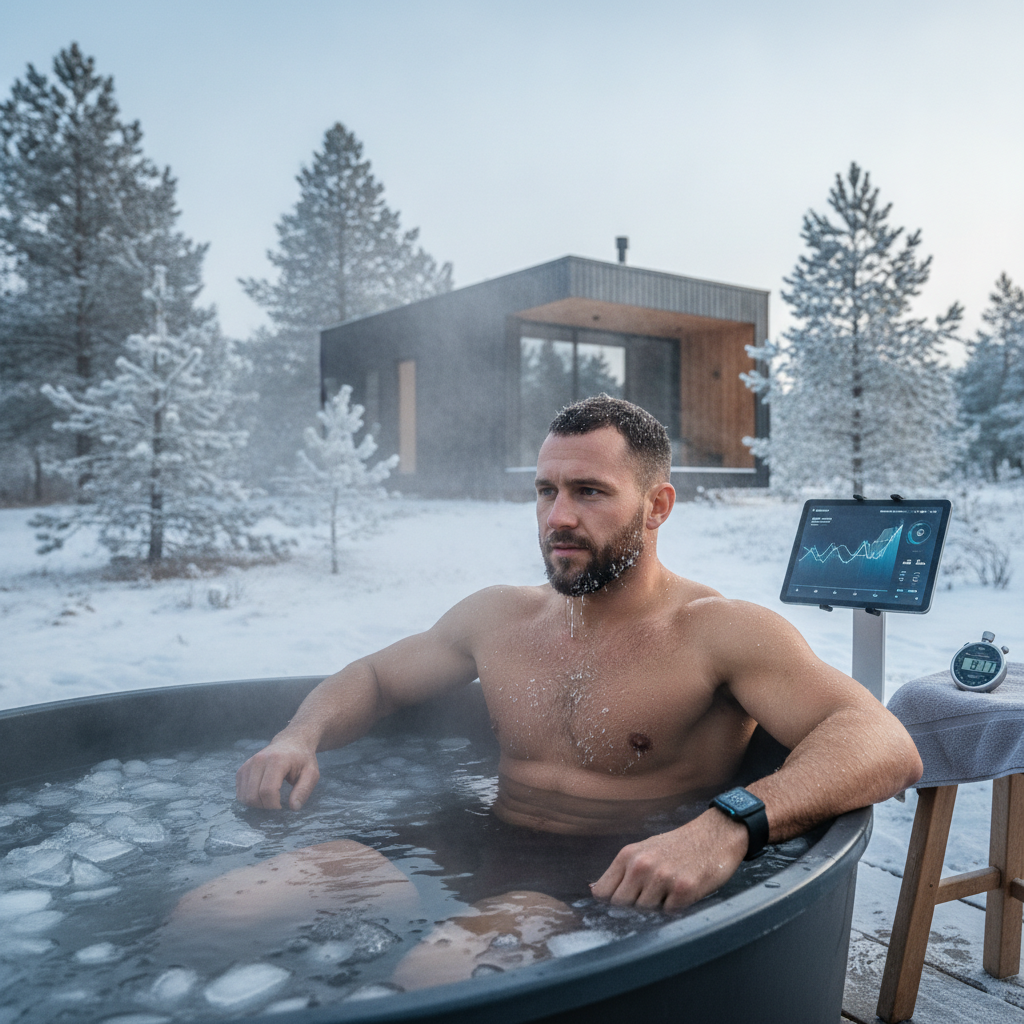
How Cold Exposure Therapy Affects Recovery Time and Whether the Evidence Actually Supports the Hype
Cold exposure therapy is widely used to speed recovery and reduce soreness, but the evidence tells a more nuanced story — especially for athletes focused on strength and long-term adaptation.
By David Park | Jul 22, 2026

Building a Personalized Hydration Plan That Goes Beyond the Eight-Glasses-a-Day Rule
The eight-glasses-a-day rule is a starting point, not a science — your real hydration needs depend on your body, lifestyle, and environment. Here's how to build a personalized plan that actually works.
By Emily Rodriguez | Jul 19, 2026

Nasal vs. Mouth Breathing During Exercise: What the Research Says About Recovery and Endurance
Nasal and mouth breathing produce different physiological effects during exercise, with meaningful implications for endurance, oxygen delivery, and post-workout recovery. Understanding when and how to use each approach can improve training outcomes.
By Emily Rodriguez | Jul 16, 2026
How Zone 2 Cardio Training Builds Lasting Endurance Without Burning You Out
Zone 2 cardio training builds deep, lasting endurance by working within a specific low-intensity heart rate range that strengthens your aerobic system without burning you out. Here's how to use it effectively.
By Chris Martinez | Jul 13, 2026

Why Eating Dinner Earlier in the Evening May Support Better Metabolic Health
The timing of meals plays a surprisingly significant role in metabolic health. Eating dinner earlier in the evening may help align with the body's internal clock, supporting better blood sugar regulation, improved sleep, and long-term wellness.
By Emily Rodriguez | Jul 09, 2026

How Continuous Glucose Monitors Are Being Used by Non-Diabetics to Understand Energy and Diet
Continuous glucose monitors, once reserved for diabetes management, are now being used by health-conscious adults to track energy, decode diet patterns, and understand their own metabolic responses in real time.
By Emily Rodriguez | Jul 01, 2026

Walk Your Way Fit: Why Daily Steps Are More Powerful Than You Think
By Ethan Sawyer | Feb 27, 2026

Outdoor Fitness: Turning Parks, Trails, and Beaches Into Your Training Ground
By Lena Grant | Feb 12, 2026

Functional Fitness for Busy People: Practical Movements That Carry Over to Daily Life
By Lena Grant | Feb 08, 2026

The Mobility Revolution: Building Flexibility and Joint Strength Without Equipment
By Julian Styles | Feb 07, 2026

Stress-Free Fitness: How Breathing Routines, Stretching, and Light Cardio Keep You in Shape
By Julian Styles | Feb 06, 2026

The No-Gym Lifestyle: How to Build Strength Using Only Bodyweight Movements
By Emerson Gray | Nov 14, 2025

Micro-Workouts: How 5-Minute Sessions Throughout the Day Can Transform Your Health
By Ava Welles | Nov 14, 2025