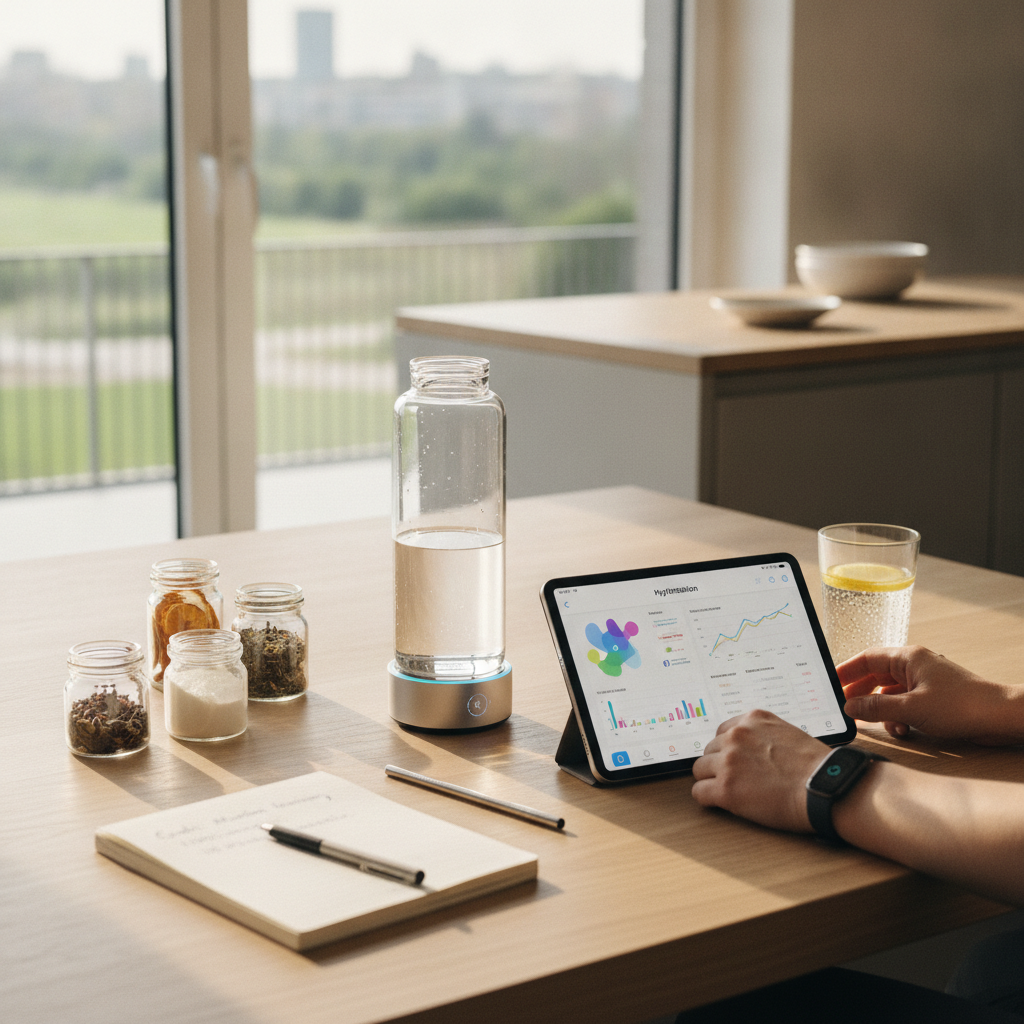
Staying properly hydrated is one of those health goals that sounds simple until you actually try to do it consistently. The classic advice — drink eight glasses of water a day — has been around so long that most people assume it's rooted in hard science. In reality, your body's water needs are shaped by a constellation of factors: your size, your activity level, where you live, what you eat, and even how well you slept last night. A one-size prescription rarely fits, and if you've ever followed the eight-glasses rule faithfully but still felt sluggish or headachy by midafternoon, your body may be telling you something worth listening to.
Your Body Weight as a Starting Point
One of the most practical ways to estimate your baseline hydration needs is to use your body weight as a guide. A commonly used approach suggests drinking roughly half an ounce to one ounce of water per pound of body weight each day. So if you weigh 160 pounds, you might aim for somewhere between 80 and 160 ounces depending on your lifestyle — a range that's far more individualized than the flat eight-glass standard. This calculation isn't perfect, but it gives you a more grounded starting point than a number that was never really validated for everyone in the first place.
The Role of Activity Level in Daily Fluid Needs
Physical movement changes your hydration requirements significantly, and not just during intense workouts. Even moderate activity like a long walk, a yoga session, or a few hours of yard work can push your fluid needs well above what you'd need on a sedentary day. A useful habit is to add roughly 16 ounces of water for every 30 to 45 minutes of movement, though warmer conditions or heavy sweating may require even more. Apps like MyFitnessPal or Apple Health can help you log your activity and flag when your intake might be lagging behind your output, making it easier to stay calibrated throughout the week.
What Urine Color Actually Tells You
Your body offers a built-in hydration gauge that most people overlook entirely. Urine color is a reliable, real-time indicator of how well-hydrated you are, and it costs nothing to check. Pale yellow — similar to lemonade — generally signals good hydration, while darker shades trending toward amber suggest you need to drink more. Completely clear urine, on the other hand, can occasionally mean you're overdoing it, which can dilute electrolytes. Checking urine color a couple of times a day takes seconds and provides more relevant feedback than watching a clock or counting glasses.
Electrolytes Matter as Much as Water Volume
Water alone doesn't tell the whole story. Electrolytes — minerals like sodium, potassium, and magnesium — are what allow your cells to actually absorb and use the fluid you consume. If you drink large amounts of plain water without maintaining adequate electrolyte levels, especially during heavy exercise or heat exposure, you can actually feel worse rather than better. Products like Liquid I.V. or LMNT offer convenient electrolyte options without the heavy sugar load found in many traditional sports drinks. Whole foods are also a strong source: bananas, avocados, leafy greens, and even a pinch of sea salt in your water can help maintain that balance naturally.
How Food Contributes to Your Hydration
A meaningful portion of daily fluid intake actually comes from food, not beverages. Fruits and vegetables with high water content — cucumbers, watermelon, celery, oranges, and strawberries — contribute significantly to your overall hydration. People who eat a diet rich in these foods often need to drink somewhat less than those who rely heavily on processed or dry foods. Paying attention to your diet as part of your hydration strategy isn't just smart nutrition; it's a practical way to make reaching your daily targets feel less like a chore and more like a natural byproduct of eating well.
Adjusting for Climate and Seasonal Changes
Where you live and what time of year it is both influence how much fluid your body loses through sweat and respiration. Hot, humid climates accelerate fluid loss considerably, while dry environments — including heated indoor spaces in winter — increase moisture lost through breathing. If you live somewhere like Phoenix or Miami, or if you work outdoors during summer months, your fluid needs in those conditions can be substantially higher than on a cool, mild day. Building seasonal awareness into your hydration habits — drinking more proactively on hot days rather than waiting until you feel thirsty — helps prevent the dehydration that often sets in before thirst even registers.
Timing Your Intake Throughout the Day
When you drink matters nearly as much as how much you drink. Spacing your fluid intake across the day is far more effective than trying to catch up in the evening, which can disrupt sleep by creating overnight bathroom trips. A practical rhythm that works for many people involves drinking a glass upon waking to replenish overnight losses, another before each meal to support digestion, and steady sips during any physical activity. Starting hydrated also supports better morning energy and mental clarity, which tends to reduce the temptation to reach for extra coffee before your body has had a chance to rehydrate.
Tracking Progress Without Obsessing Over It
For people who respond well to structure, a simple tracking approach can help build better hydration habits without turning it into an anxiety-inducing ritual. A reusable water bottle with time markers — widely available from brands like Hydro Flask or Simple Modern — gives you passive visual reminders without requiring app check-ins every hour. Tracking for two or three weeks can reveal your natural patterns: when you tend to fall short, which days push your needs higher, and how hydration affects your energy and focus. Once those patterns become clear, maintaining good habits often requires far less conscious effort.
Building a hydration plan that fits your actual life doesn't require perfection — it just requires a bit more attention than a blanket rule can offer. Start with one small shift, whether that's checking your urine color once a day, adding an electrolyte drink after your next workout, or simply filling your water bottle before you leave the house each morning. Small, consistent changes add up to meaningful improvements in how you feel, and your body will let you know when you're getting it right.