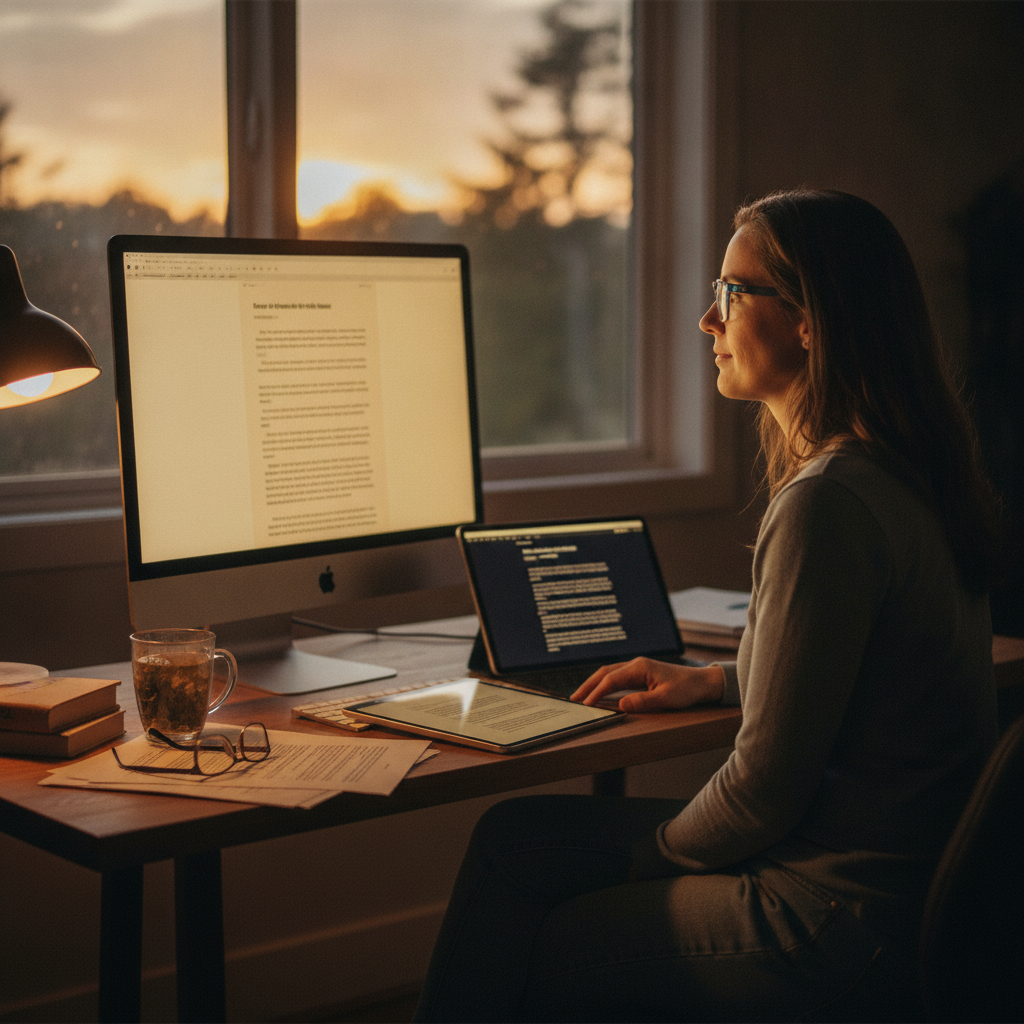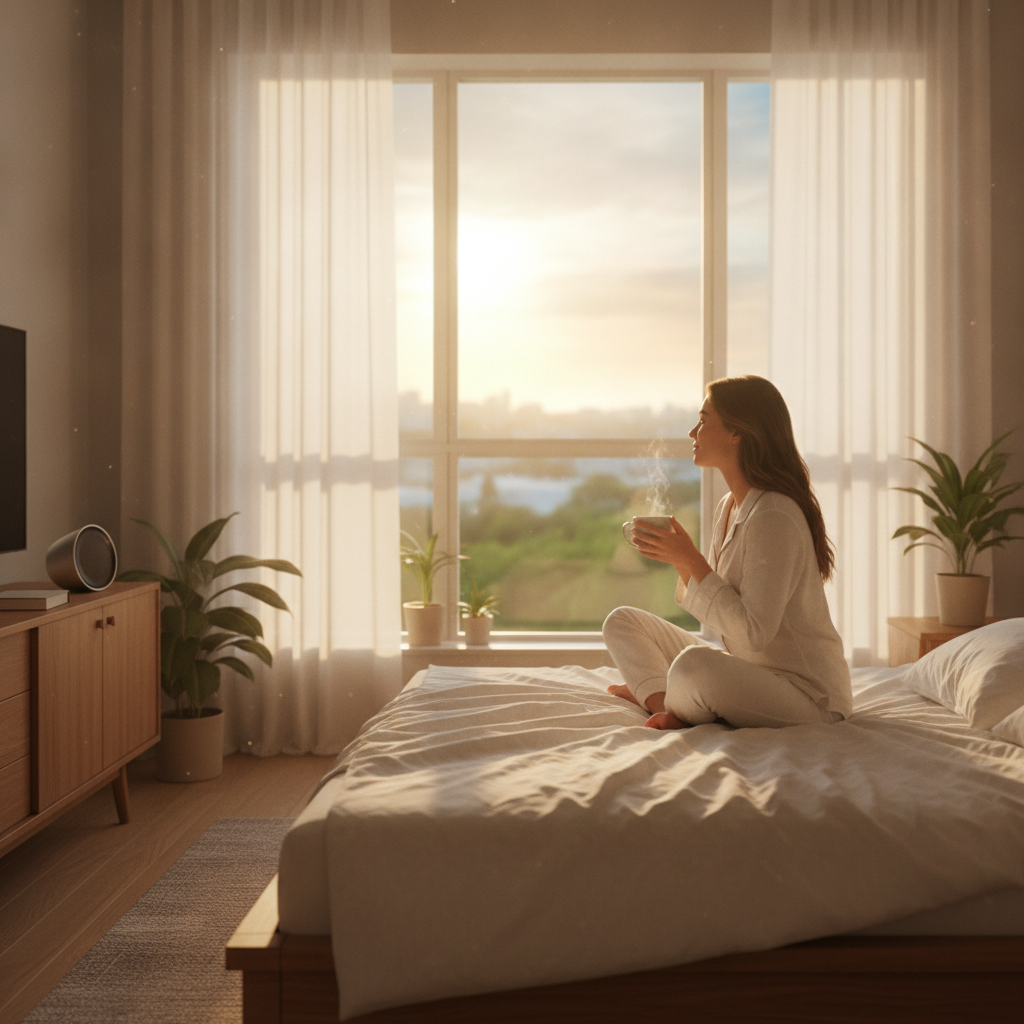
Most people reach for their phones within minutes of waking, scrolling through notifications under artificial lighting while the morning sun climbs steadily outside their windows. It's a habit that feels harmless, even productive, but it quietly works against one of the body's most powerful biological systems. The human circadian rhythm — the internal clock that governs sleep, wakefulness, hormone release, and energy — is exquisitely sensitive to light, particularly the quality and timing of light exposure in the first hours of the day. Aligning morning behavior with that biological need doesn't require a dramatic lifestyle overhaul. Sometimes the most impactful change is simply stepping outside.
The Biology of Your Internal Clock
The circadian rhythm is a roughly 24-hour cycle embedded in nearly every cell of the human body, coordinated by a small region of the brain called the suprachiasmatic nucleus. This master clock relies on environmental cues — most importantly, light — to stay synchronized with the external world. When light enters the eye in the morning, specialized photoreceptive cells send signals to the brain that suppress melatonin production and trigger a cascade of alertness-promoting hormones, including cortisol. This cortisol peak, often called the cortisol awakening response, is a healthy and necessary part of morning physiology. It sharpens focus, raises body temperature, and prepares the body for the demands of the day ahead. Without adequate light exposure to anchor that response, the timing of the entire cycle can drift, leaving people feeling groggy, unfocused, or inexplicably tired by mid-afternoon.
Why Outdoor Light Works Differently Than Indoor Light
One of the most common misconceptions about morning light is that any bright environment will do the job. Indoor lighting, even when it feels bright, delivers a fraction of the light intensity that natural daylight provides. On an overcast morning outside, ambient light typically measures many times higher in lux than the average office or kitchen ceiling light. The spectrum of natural light is also richer and more biologically relevant, containing wavelengths that indoor bulbs rarely replicate with full effectiveness. Research consistently shows that even brief outdoor exposure — as little as ten to fifteen minutes — can produce meaningful effects on circadian timing, alertness, and sleep quality later that night. Apps like Rise and Oura track sleep and readiness scores, and users who add consistent morning light routines frequently report noticeable improvements in their daily energy patterns without changing anything else.
The Connection Between Morning Light and Evening Sleep
It might seem counterintuitive that what happens at seven in the morning has a direct bearing on how easily someone falls asleep at ten that night, but the two are deeply linked. Morning light exposure sets the biological anchor point for the entire day's rhythm, including the timing of melatonin release in the evening. When light signals arrive early and consistently, the body learns when daytime truly begins, which allows it to calculate with greater accuracy when nighttime should follow. Shift that morning signal back — by staying indoors until noon, for instance, or by working entirely under artificial light — and melatonin onset tends to shift later as well. The result is a later subjective sense of sleepiness, which often creates a feedback loop of reduced sleep duration, heavier morning fatigue, and increased reliance on caffeine to bridge the gap.
Practical Ways to Build a Morning Light Habit
Building a consistent morning light routine doesn't require moving to a sun-drenched climate or investing in specialized equipment. For most people, the simplest approach is to combine light exposure with something already part of the morning — a cup of coffee on a porch, a brief walk around the neighborhood, or a few minutes sitting near an east-facing window with it cracked open. In cities like Portland or Minneapolis, where cloudy winters are common, a therapeutic light box such as the Verilux HappyLight or Carex Day-Light Classic can supplement natural exposure on days when going outside isn't practical. The key principle is consistency: exposing the eyes — not just the skin — to bright light within the first hour of waking, ideally before looking at screens or checking notifications. Sunglasses, while fine for later in the day, blunt the effect of morning light by filtering the wavelengths the photoreceptors need most.
When Morning Light Matters Even More
Certain groups benefit from morning light exposure in particularly pronounced ways. People who work irregular hours, night shifts, or rotating schedules often experience chronic circadian disruption that compounds over time, affecting mood, digestion, metabolism, and immune function. Older adults tend to have reduced photoreceptor sensitivity and naturally earlier sleep timing, making consistent morning light one of the most accessible tools available for maintaining healthy sleep architecture without medication. Individuals managing depression or seasonal affective disorder have long been prescribed light therapy through protocols developed at institutions like the Mayo Clinic, and the underlying mechanism is the same one at work in everyday morning routines — light anchors the clock, the clock stabilizes mood, and mood influences energy across the full arc of the day.
Starting Simple and Staying Consistent
If your mornings currently involve heading from bedroom to kitchen to desk without ever passing through sunlight, even a five-minute change can begin to shift how your afternoons feel. Try taking your first drink of water or coffee outside, or at least near an open window where natural light can reach your eyes directly. Leave sunglasses off for those first few minutes. On weekdays when time is tight, a short walk to a nearby park or simply sitting on a stoop in a neighborhood like Prospect Heights in Brooklyn or Capitol Hill in Seattle can deliver enough morning light to make a measurable difference. Give the habit at least two consistent weeks before evaluating the results — circadian systems respond gradually, not immediately, and the benefits often appear first as easier mornings rather than dramatically different nights.
The relationship between morning light and daily energy is one of the more elegant examples of how closely human biology is tied to the natural world. By honoring that relationship with a small, consistent practice, the body's internal systems tend to settle into a more reliable and sustainable rhythm — one that supports better focus during the day, more restful sleep at night, and a steadier sense of wellbeing across time.