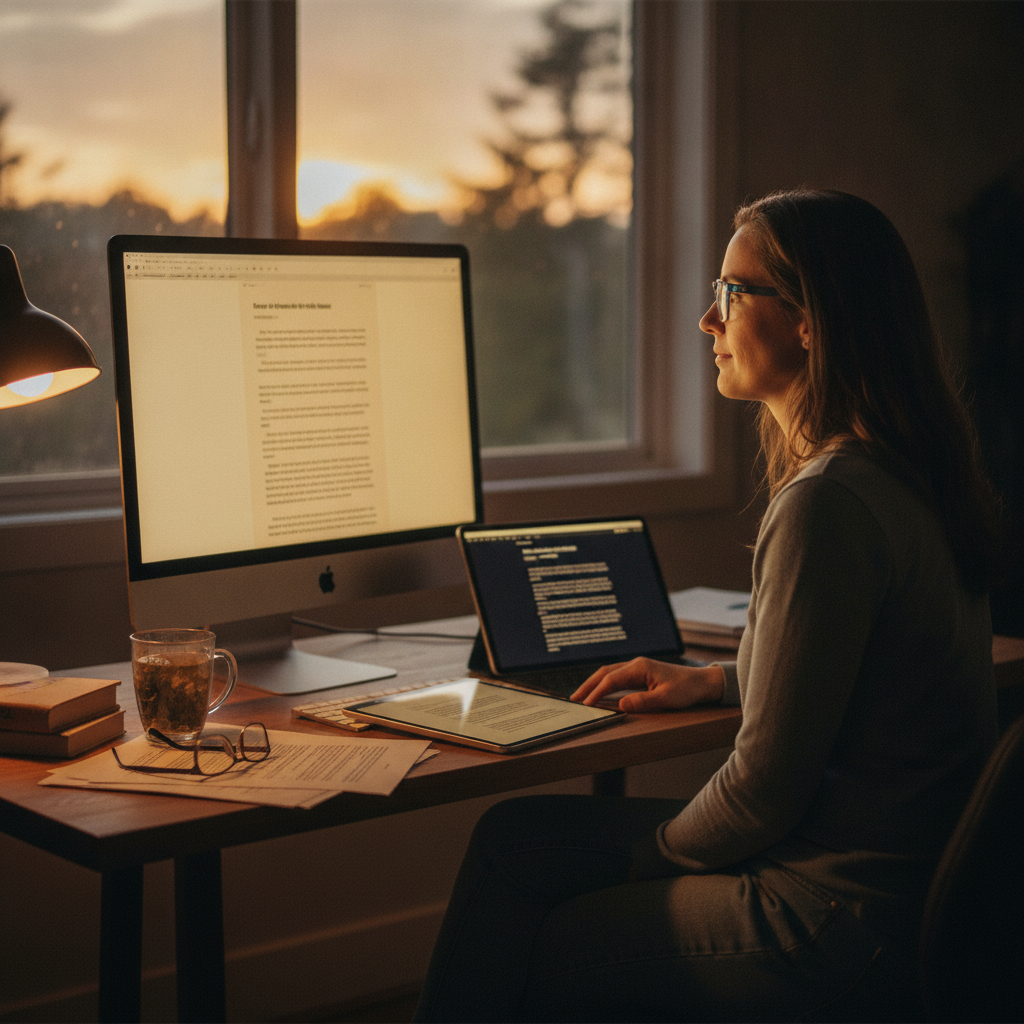
Winter has a way of pulling people indoors, and most of the time, that pull feels completely reasonable. The days are short, the air is cold, and the temptation to stay wrapped in warmth is strong. But the body has its own set of needs that don't pause just because the season changes, and natural light is near the top of that list. Spending even a modest amount of time outside during daylight hours — even on overcast days — can meaningfully shift how you feel, how well you sleep, and how your body manages some essential biological processes that depend on sunlight to function properly.
Natural Light and the Winter Mood Connection
The relationship between sunlight and mood isn't casual. Your brain contains specialized receptors that respond specifically to light intensity, and during winter, those receptors often don't receive enough input to keep certain systems running smoothly. Serotonin, the neurotransmitter most closely associated with a stable, positive mood, is produced at higher levels when light enters the eyes and activates pathways in the hypothalamus. When daylight hours shrink and people spend most of those hours inside, serotonin production can drop noticeably, contributing to the flat, low-energy feeling that many people associate with colder months.
This pattern is distinct from a passing mood dip. Seasonal changes in light exposure are well-documented as a contributing factor to seasonal affective disorder, a form of depression that follows a predictable annual cycle tied closely to the reduction in natural light. Even for people who don't experience clinical symptoms, the subtler effects — lower motivation, increased irritability, difficulty concentrating — are common enough that most people recognize them as a winter phenomenon, even if they don't always connect them to light. Getting outside for thirty to sixty minutes during the brightest part of the day, typically between mid-morning and early afternoon, is one of the most direct interventions available, and it costs nothing.
Timing Your Outdoor Exposure
The quality of natural light changes throughout the day, and timing matters more than most people realize. Light between roughly 10 a.m. and 2 p.m. carries the greatest intensity, even in winter, and this is the window when outdoor time delivers the most benefit to both mood and vitamin D synthesis. If your schedule allows for a midday walk, that's the highest-value moment. Apps like Dminder and Wolfram Sun Exposure can help you track when your local sunlight is strong enough to support vitamin D production based on your latitude, which shifts considerably in winter months for those living in northern regions. Even a short walk around a city block or through a nearby park during this window can make a measurable difference over the course of a week.
Vitamin D Synthesis and Why Winter Disrupts It
Vitamin D is unusual among nutrients because the body produces it primarily through a reaction triggered by UVB radiation from the sun, not through dietary intake alone. During summer, spending time outdoors generally keeps production adequate for most people. In winter, the angle of the sun changes so dramatically in latitudes above roughly 35 degrees north that UVB rays may not reach the skin effectively at all, even on clear days. This means that getting outside still offers mood and circadian benefits, but vitamin D production specifically requires either stronger sun exposure when it's available, dietary sources like fatty fish and fortified dairy products, or supplementation guided by a healthcare provider.
The consequences of low vitamin D extend well beyond bone health, which is the association most people are familiar with. Adequate vitamin D levels are connected to immune function, muscle recovery, cardiovascular regulation, and — importantly — mood stability. There is a meaningful overlap between the populations most likely to experience seasonal mood changes and those most likely to be vitamin D deficient in winter, which suggests that the two issues reinforce each other. Tracking your habits with something like the Cronometer app can help you monitor dietary vitamin D alongside other nutrients, giving you a clearer picture of where gaps might exist before they affect how you feel.
Making the Most of Limited Winter Sun
On days when the sun does appear, exposing your face, hands, and forearms — rather than bundling every inch of skin — allows for the brief but meaningful UVB contact that supports vitamin D synthesis. You don't need to be uncomfortable to benefit; even short windows of direct sun on uncovered skin matter. On overcast days, the mood and circadian benefits of being outside still apply, because light intensity outdoors remains far higher than the artificial lighting most indoor environments provide, even when clouds are thick. Your eyes are registering thousands of lux of natural light outside compared to the few hundred lux typical of indoor settings, and that difference is enough to activate the serotonin and circadian systems meaningfully.
How Outdoor Light Shapes Sleep Quality
Sleep and light are governed by the same underlying system: the circadian clock. Your body uses environmental light cues — particularly morning and midday light — to calibrate the timing of melatonin release, the hormone that signals the body to prepare for sleep. When people spend winter days almost entirely indoors under artificial light, those calibration signals become weaker and less consistent. The result is often a shift in sleep timing, reduced sleep quality, or difficulty falling asleep at a reasonable hour, even when fatigue is present.
Getting outside during daylight hours anchors your circadian rhythm in a way that indoor lighting simply can't replicate. The light receptors in your eyes respond to the full-spectrum, high-intensity quality of natural light differently than they respond to even the best indoor bulbs. Wearables like the Oura Ring or apps connected to devices like the Apple Watch now track sleep stages in enough detail to help you notice correlations between days when you do get outside and nights when your sleep is deeper and more restorative. Over a few weeks, these patterns often become clear and provide the kind of concrete feedback that makes it easier to prioritize outdoor time even when motivation is low.
Winter doesn't have to mean months of disrupted sleep, low energy, and a sense of disconnection from your own rhythms. The same short, cold days that feel like obstacles are also opportunities — reminders that the body responds to its environment with remarkable sensitivity. When you step outside into the grey light of a January afternoon, you're giving your brain the signals it's been waiting for, recalibrating systems that affect how you feel, how you sleep, and how ready you are to meet the rest of the day. Start small, stay consistent, and let the season work with you rather than against you.