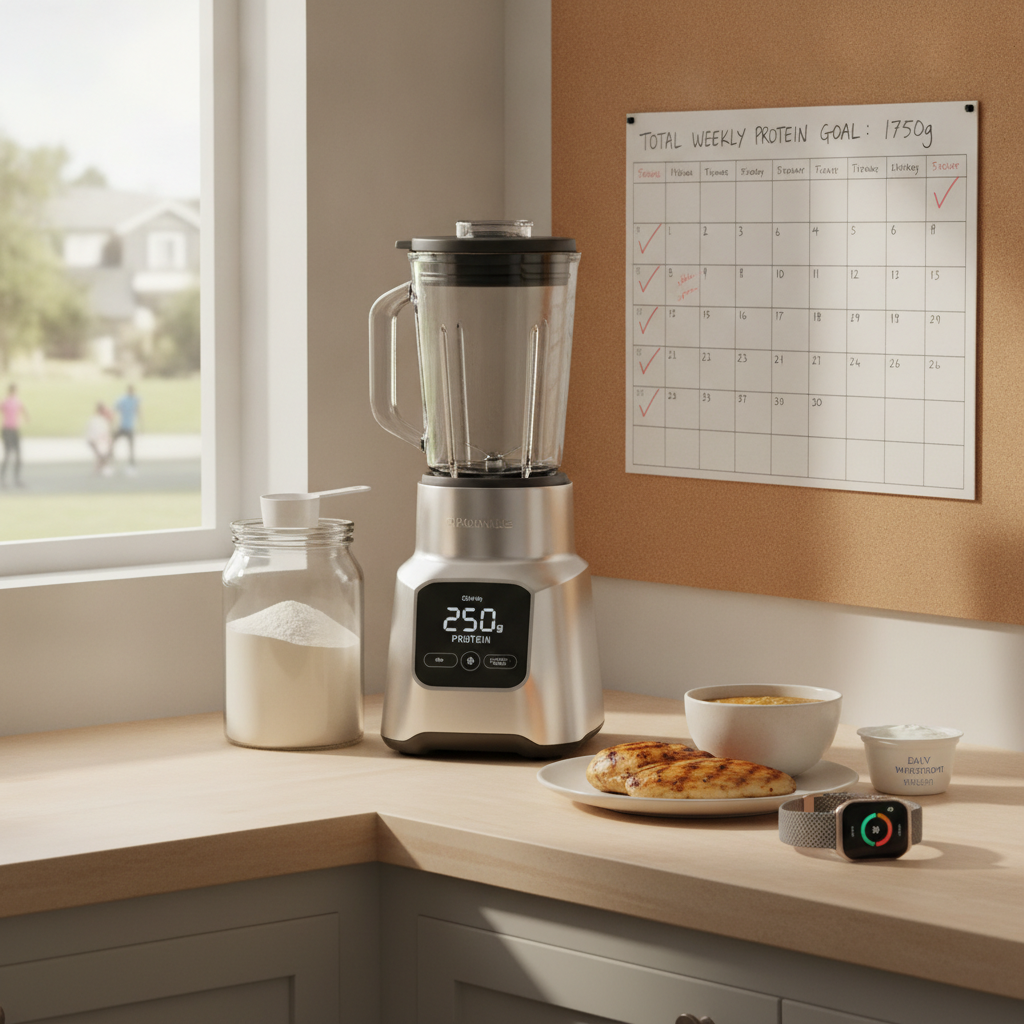
For most recreational exercisers, the obsession with consuming protein within a narrow post-workout window is largely misplaced. While sports nutrition marketing has spent decades emphasizing the so-called "anabolic window," the research paints a more nuanced picture — one where total daily protein consumption plays a far more decisive role in muscle building and recovery than the precise timing of any single meal or shake.
What Is the Anabolic Window and Where Did It Come From?
The anabolic window refers to the belief that muscles are uniquely primed to absorb protein in the 30 to 60 minutes immediately following a workout. This idea gained traction in bodybuilding communities throughout the 1990s and early 2000s, largely fueled by supplement brands like Optimum Nutrition and MuscleMilk promoting fast-acting whey protein products. The concept made intuitive sense: exercise creates micro-damage in muscle fibers, and delivering protein quickly seemed logical. For professional athletes training multiple times per day at very high intensities, precise timing does carry practical relevance. For the average person exercising three to five times per week, however, the window is far wider than the marketing suggests.
How Does Muscle Protein Synthesis Actually Work?
Muscle protein synthesis is the process by which the body uses dietary amino acids to repair and build muscle tissue. It's elevated for several hours after resistance training — not just during a brief 30-minute window. This extended period means that a meal consumed one or even two hours after a session can still meaningfully contribute to recovery. The body doesn't treat a slightly delayed protein intake as a missed opportunity; it continues drawing from circulating amino acids and recently digested protein for an extended recovery window.
This biological reality matters because it fundamentally shifts the priority. Rather than rushing to drink a shake immediately after a gym session, the focus should be on ensuring the body has adequate protein available throughout the entire day.
Why Total Daily Protein Intake Sets the Foundation
Consistent research across exercise science supports a daily protein target of roughly 1.6 to 2.2 grams per kilogram of body weight for active individuals looking to build or maintain muscle. Hitting this range consistently — regardless of meal timing — produces meaningful gains in muscle mass and strength over time. Falling short of this target, even while perfectly timing a post-workout shake, will limit results far more than imperfect timing ever could.
Distributing that protein across three to five meals or snacks per day supports sustained amino acid availability. Spreading intake evenly — rather than consuming most protein at dinner, as many people do — helps the body utilize it more efficiently. Apps like Cronometer or MyFitnessPal make this kind of daily tracking straightforward for people who want to quantify their intake without guesswork.
When Does Timing Actually Matter More?
There are specific scenarios where protein timing becomes genuinely relevant. Athletes training in a fasted state — such as those who exercise early in the morning without eating beforehand — benefit more from prompt post-workout protein because amino acid availability is lower going into the session. Similarly, individuals training twice daily or engaging in prolonged endurance efforts, like marathon preparation, have less recovery time between sessions, making timing a more pressing concern.
Older adults represent another group where timing warrants attention. Muscle protein synthesis becomes less efficient with age, and consuming adequate protein closer to exercise may help offset some of that blunted response. Still, even for this population, hitting sufficient daily totals remains the primary lever.
How Should Non-Elite Athletes Practically Structure Their Protein?
If you're a recreational gym-goer, a weekend runner, or someone following a home workout program, the most effective approach is refreshingly straightforward. Start by calculating your daily protein target based on your body weight and activity level, then build meals around hitting that number consistently. Prioritize whole food sources — eggs, Greek yogurt, chicken, legumes, cottage cheese — and use protein supplements as a convenient gap-filler rather than a cornerstone.
Aim to eat a protein-containing meal within two hours before or after training. This is broad enough to fit naturally into most schedules without requiring you to carry a shaker bottle everywhere. Brands like Skyr Siggi's or cottage cheese from Daisy make convenient high-protein snacks that require no preparation. The goal is consistency across the week, not perfection in any single hour.
What This Means for Everyday Fitness Goals
The broader lesson here is one of priority management. Fitness culture tends to fixate on optimization strategies that matter mainly at the elite level, often at the expense of the foundational habits that drive the vast majority of results for everyone else. Protein timing is one clear example of this pattern — a legitimate but secondary variable being elevated above the primary driver, which is simply eating enough protein each day.
For most non-elite athletes, the difference between consuming protein at the 30-minute mark versus the 90-minute mark after a workout is negligible. The difference between consistently meeting a daily protein target and regularly falling short, however, is substantial and measurable over weeks and months. Building a nutrition approach around that reality — simple, sustainable, and grounded in what the evidence actually supports — is what separates durable progress from the cycle of chasing the next shortcut.