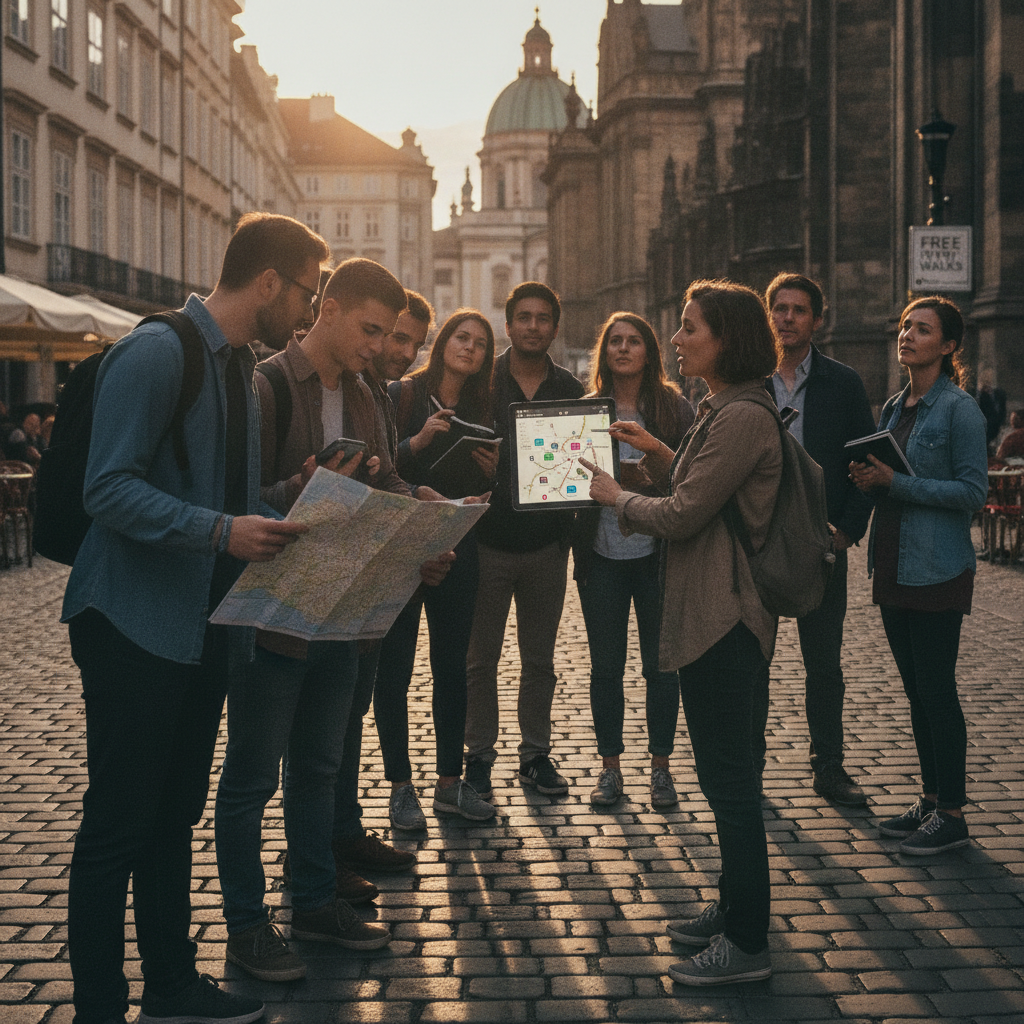
Arriving in a new city with a full itinerary already locked in is one of the most common travel mistakes people make. You've booked the museums, the restaurant reservations, maybe even a half-day excursion — all before you've spent a single hour actually feeling out the place. Free walking tours exist in virtually every major city on earth, and most travelers treat them as a nice freebie on day one rather than the strategic planning tool they genuinely are.
Used right, a free walking tour in the first twenty-four to forty-eight hours of your trip can reshape everything that follows — saving you money on experiences you wouldn't have loved anyway, and pointing you toward ones you never would have found on your own.
Show Up Before You've Planned Too Much
The single biggest mistake people make with free walking tours is taking them too late in the trip. By day three or four, your opinions are already formed, your restaurant list is already set, and the guide's recommendations wash over you without landing anywhere useful. Book the free tour for your first full day instead. Cities like Amsterdam, Barcelona, and Lisbon all have multiple free tour operators running daily departures, so scheduling early isn't difficult. Going in with an open mind and a mostly blank calendar means every tip the guide drops is actually actionable.
Treat the Guide Like a Local Consultant
Free walking tour guides are almost always locals or long-term residents who have led hundreds of tours. They know which neighborhoods are changing fast, which famous attractions are worth the queue, and which ones are coasting on a reputation they stopped earning years ago. Rather than just listening passively, treat the tour like a paid consultation. Write things down. Ask follow-up questions at breaks or at the end. Guides on these tours run on tips, so they're genuinely motivated to give you useful, honest answers rather than the sanitized version you'd get from a hotel concierge.
Use the Route Itself as a Neighborhood Audit
Pay attention to what parts of the city you're walking through and how each one feels to you physically, not just visually. A neighborhood that photographs beautifully might feel overwhelming or sterile on foot. One the tour passes through quickly might feel exactly like the kind of place you'd want to spend an afternoon. The tour route in cities like Prague or Mexico City often covers more ground than you'd realize, and noticing your own reactions to each area tells you more about where to spend your remaining time than any travel blog can.
Ask Specifically About the Paid Experiences Worth Taking
Guides know which paid tours, museum entries, and day trips are genuinely worth the cost — and which ones are mediocre experiences that simply spend a lot on marketing. Don't be shy about asking directly. Something like "If you were a visitor here for four more days, which one paid experience would you actually do?" tends to produce remarkably candid answers. This kind of insider filtering has real value. Skipping one disappointing forty-euro boat tour and redirecting that budget toward something the guide recommended can transform how you remember an entire destination.
Map the Food Recommendations Separately
Every guide mentions food. The mistake is letting those recommendations blur together. When a guide points out a market, a specific street, or a neighborhood known for something worth eating, note it separately from your general sightseeing notes. In cities like Marrakech or Naples, local food geography is genuinely complex, and a guide's casual mention of where locals actually eat lunch versus where tourists get steered can save you from a string of forgettable meals. Cross-reference what you hear with a quick look at Google Maps later to see what's clustered near your accommodation.
Compare Multiple Tours Before Committing to Paid Ones
Many cities have more than one free walking tour network operating simultaneously — different companies covering different neighborhoods or themes. In Berlin, for example, you'll find tours focused on Cold War history, others on street art, others on the city's contemporary food scene. Taking two different free tours before booking any paid experience gives you a broader picture of what the city actually offers, and which paid operators have the depth of knowledge to justify their price. Sandemans is one of the largest networks internationally and often has specialty tours that bridge free and paid options.
Let the Tour Identify Your Real Interests on This Trip
Sometimes you don't fully know what kind of traveler you are in a given city until you've spent two hours walking through it with someone who knows it well. You might show up thinking you want the art museums and realize halfway through the tour that the architecture or the street life or the food culture is what's actually lighting you up. That's useful information. It means you can trim the itinerary you planned at home and replace it with something that fits the traveler you actually are once you arrive, rather than the one you imagined being when you booked the flights.
Build Your Revised Itinerary That Same Evening
Don't let the insights from a morning tour fade by sitting on them for two days. That same evening, sit down with your notes, cross-reference the guide's recommendations with a tool like Google Maps or TripAdvisor to confirm hours and logistics, and actively rebuild your remaining days. Move things around. Cut what no longer makes sense. Add what the guide flagged. This kind of real-time itinerary revision — grounded in actual local knowledge rather than pre-trip research done from a couch — tends to produce trips that feel genuinely personal rather than template-driven.
Free walking tours aren't a consolation prize for budget travelers. They're one of the most efficient research tools available to any traveler willing to show up early and pay attention. Give yourself that first-day tour, take real notes, ask the uncomfortable questions about what's actually worth your time and money, and then trust yourself to rebuild the rest of the trip around what you actually discovered. The paid experiences you choose after that will be better ones — and you'll enjoy them more because you chose them deliberately.