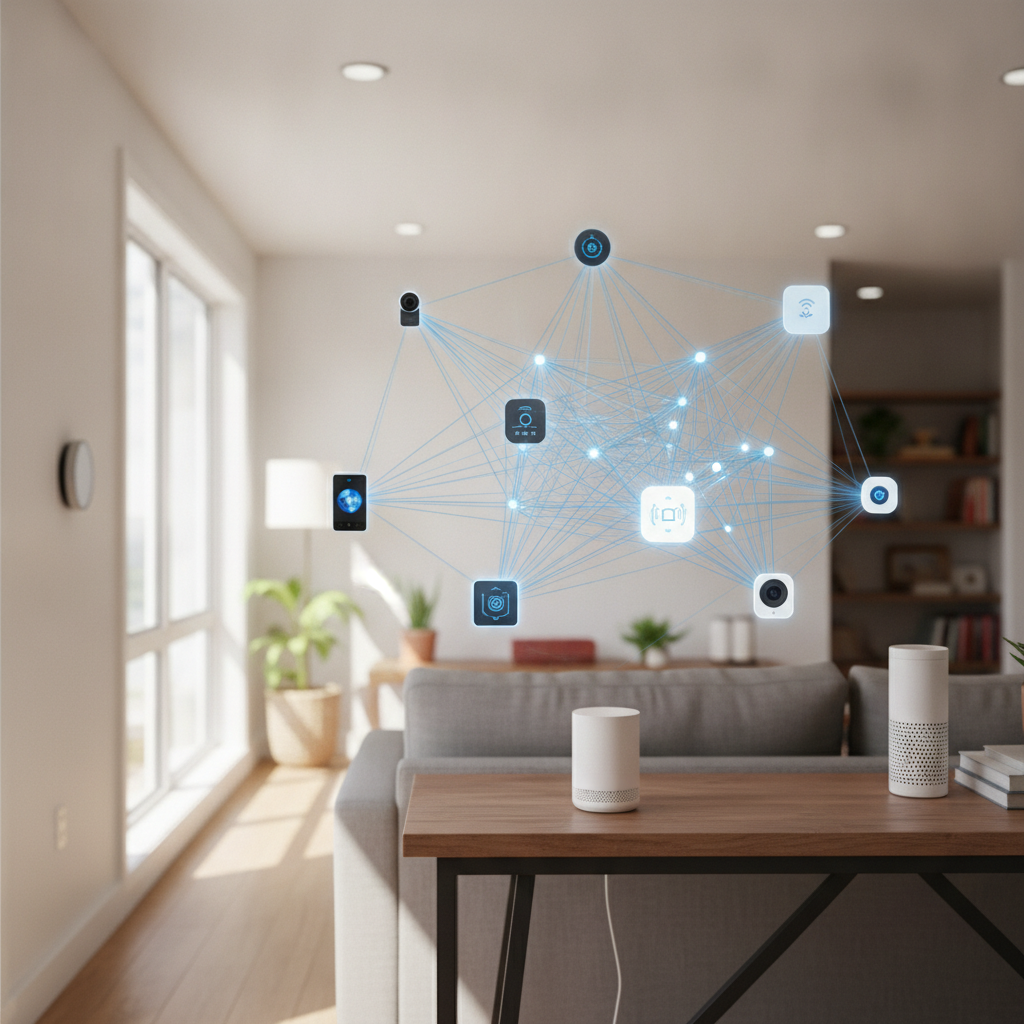
Smart home technology has long struggled with a fundamental contradiction: devices that promise seamless connectivity often fail to communicate reliably with one another. Thread, a low-power wireless mesh networking protocol, is steadily resolving that contradiction — and doing so without much fanfare.
What Thread Protocol Actually Is
Thread is a low-power, IP-based mesh networking standard designed specifically for smart home devices. Unlike Wi-Fi or classic Bluetooth, it was built from the ground up for the low-data, always-on requirements of home automation. Developed initially by a group that included Google, Apple, and Silicon Labs, Thread creates a self-healing mesh network where every device can relay data through other devices. If one node goes offline, the network automatically reroutes communication. That architecture addresses one of the most persistent complaints in smart home setups — single points of failure that bring down entire routines.
Why Older Protocols Fell Short
For years, Zigbee and Z-Wave dominated the smart home wireless space, and both protocols delivered meaningful improvements over Wi-Fi for low-power devices. But they came with limitations. Each required a dedicated hub to translate their proprietary signals, adding hardware cost and complexity. Interoperability between brands was inconsistent, and firmware updates could silently break device pairings. Wi-Fi, while universally understood, places significant power demands on battery-operated sensors and switches — a real constraint for devices expected to run for months on a single charge. Thread was designed to avoid all of these traps by using open, internet-native standards.
Thread's Architecture and Why It Matters
The mesh structure of Thread means there's no central hub that all traffic must pass through. Devices called Border Routers — typically smart home hubs or speakers from brands like Apple and Google — connect the Thread network to the broader internet. Within the network itself, devices called Routers relay messages, while sleepy end devices like sensors wake up briefly to send data before going dormant again. This distinction allows battery-powered devices to conserve energy while still participating in a reliable communication web. The result is a network that becomes more robust as more devices join it, rather than more congested.
How Matter Brought Thread to the Mainstream
Thread gained significant momentum when the Matter smart home standard launched and chose Thread as its preferred wireless transport layer for battery-operated and low-power devices. Matter, backed by the Connectivity Standards Alliance, represents a broad industry agreement that devices from different manufacturers should work together without friction. Apple HomeKit, Google Home, and Amazon Alexa all support Matter, which means Thread-enabled devices now have pathways into every major smart home platform. Products from Nanoleaf, Eve Systems, and other hardware makers already ship with Thread radios built in, making the protocol far less theoretical than it was just a few years ago.
Reliability in Practice
The practical difference Thread makes becomes clearest in homes with many devices spread across multiple floors or through thick walls. Traditional hub-and-spoke architectures degrade as distance increases, but a Thread mesh improves its own coverage automatically as devices are added. A new Thread-enabled smart plug placed in a basement doesn't just become a controllable outlet — it also strengthens signal paths for every other Thread device nearby. Because Thread uses the same IPv6 internet protocol that powers the broader web, engineers can apply decades of networking knowledge to diagnose and improve these systems. That standardization also reduces the proprietary vendor lock-in that has frustrated smart home users for over a decade.
What to Look for When Building Your Setup
If you're considering adding Thread-compatible devices to your home, the transition is less disruptive than it might appear. Many Thread border routers are already sitting in modern homes — the HomePod mini, Apple TV 4K, and Google Nest Hub Max all serve this role. You don't need to replace your entire setup at once. Start by identifying which devices spend most of their time on battery — door sensors, motion detectors, and temperature monitors are natural Thread candidates. Look for Matter certification on product packaging, since Matter devices communicating over Thread will interoperate across platforms without requiring brand-specific hubs or apps. Eve Energy and Nanoleaf Essentials are practical entry points for those ready to test the ecosystem firsthand.
Thread represents a meaningful shift in how the smart home communicates with itself — not by introducing flashy new capabilities, but by solving the unglamorous problems of reliability, power efficiency, and interoperability that have held the category back. As more device manufacturers build Thread radios into their hardware and as border routers become standard components in consumer electronics, the protocol will become less a differentiating feature and more a baseline expectation. The homes of the near future will likely run on Thread without their owners ever thinking about it — which is precisely the point.