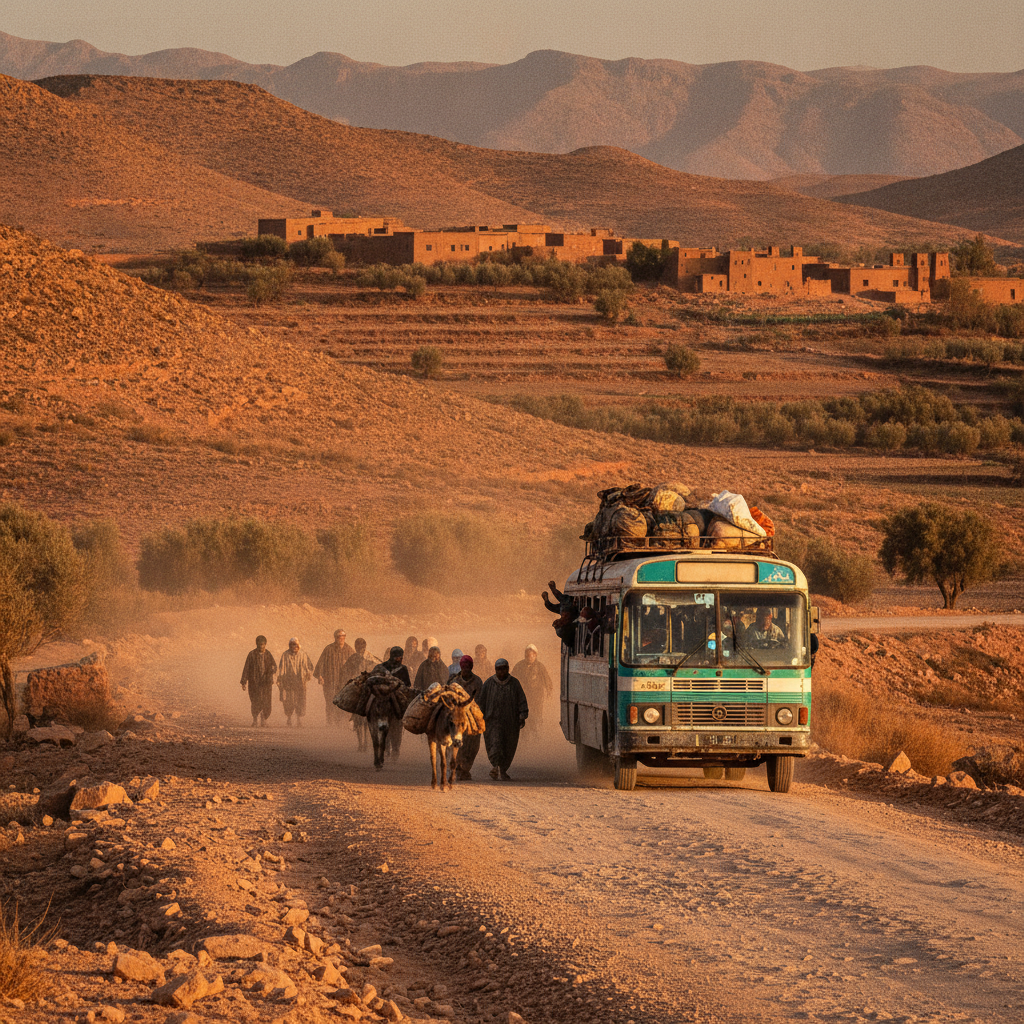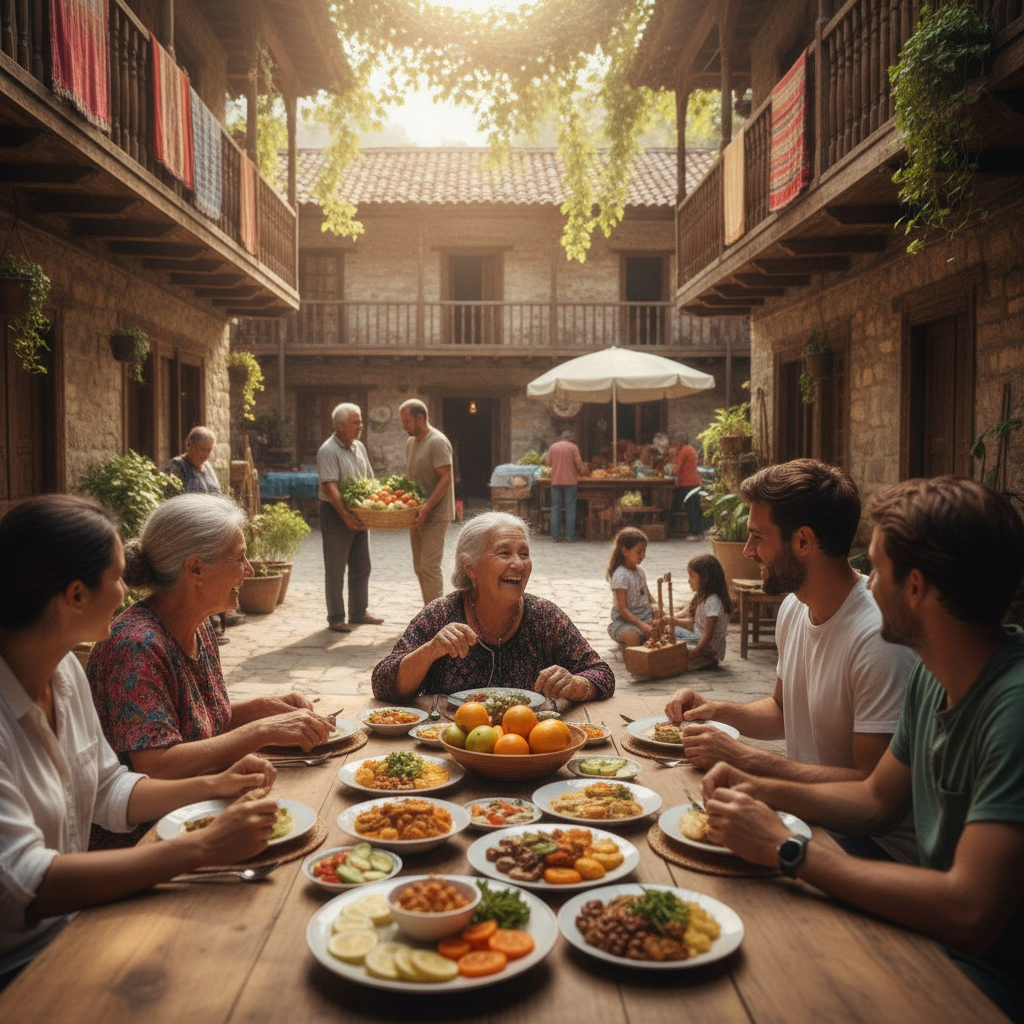
Travel has a way of revealing its truest effects long after the photographs are taken and the itineraries are folded away. A traveler settles into a small room above a family kitchen somewhere in Oaxaca or a riad — a traditional North African courtyard house — tucked inside the medina walls of Fez, and something shifts. The exchange that happens there, between guest and host, is older and more consequential than any loyalty points program or branded amenity kit. It carries economic weight, cultural meaning, and a kind of quiet reciprocity that the travel industry rarely measures but communities feel every season.
The Economic Reality of Where Money Goes
When a traveler books a room through a global hotel chain, a significant share of that spending leaves the destination almost immediately — routed to corporate headquarters, international reservation platforms, and centralized supply chains. Locally owned guesthouses operate differently. Revenue from room fees, breakfasts, and laundry services tends to circulate within the surrounding neighborhood. The family running a pensão — a small, family-operated guesthouse common in Portugal and Brazil — buys eggs from a nearby farm, hires a local cleaner, and pays taxes that fund municipal services. Economists studying tourism patterns call this the "local multiplier effect," and it consistently favors independent accommodations over chain properties.
How Employment Flows Through Small Lodging
A thirty-room boutique guesthouse in a place like Luang Prabang or Tbilisi doesn't just employ its owners. It creates a small constellation of livelihoods — cooks, housekeepers, maintenance workers, and guides who are almost always drawn from the immediate community rather than recruited from distant labor markets. These positions tend to offer something that seasonal resort work often doesn't: continuity. Families can plan around predictable income rather than migrating toward larger cities during slow months. The ripple effect extends outward to market vendors who supply the guesthouse kitchen, to transport workers who ferry guests, and to artisans whose work is recommended to curious travelers by hosts who genuinely know them.
Cultural Preservation and the Role of the Host
There's a particular kind of knowledge that lives inside a locally owned guesthouse, and it rarely appears in guidebooks. A host in Rajasthan might explain the significance of a festival happening three streets over, or quietly steer a guest away from a restaurant that exploits its workers under the cover of "authentic" décor. This embedded cultural intelligence — sometimes called *conocimiento local* in Spanish-speaking communities, meaning intimate local knowledge — survives only when the people who carry it remain economically viable within their own neighborhoods. When accommodation becomes dominated by short-term rental platforms or international operators, that knowledge disperses. Hosts who can afford to stay become the living connective tissue between travelers and place.
The Architecture of Trust Between Guest and Community
Long-term residents of popular tourist destinations often develop a wariness that's entirely earned. The arrival of travelers has, in too many places, translated into rising rents, overcrowded markets, and a gradual erosion of the rhythms that made the destination appealing in the first place. Locally owned guesthouses tend to act as a buffer in this dynamic. Because owners have a stake in the neighborhood's long-term character — their children attend nearby schools, their relatives shop in the same markets — they're more likely to set expectations with guests about respectful behavior, appropriate dress in religious spaces, and the importance of spending money at businesses that are genuinely community-rooted. This isn't moralism; it's practical stewardship.
Environmental Accountability at a Human Scale
Small guesthouses are rarely able to afford the elaborate greenwashing that larger hospitality brands deploy with polished sustainability reports. But they often practice genuine environmental consciousness by necessity and proximity. An owner who draws water from the same aquifer as her neighbors has a direct incentive to conserve it. A guesthouse in a coastal village in Croatia or a highland town in Peru is more likely to handle waste carefully when the consequences of poor management are visible from the front door. The accountability is personal rather than institutional, which tends to produce more consistent results than corporate environmental pledges monitored from a distant boardhead office.
What You Can Do Before and During the Booking Process
Choosing locally owned accommodation requires a slightly different research approach than browsing the standard booking platforms. Sites like Fairbnb — which directs a portion of booking fees into local community projects — and regional travel cooperatives in destinations like Slovenia's Green Karst area offer alternatives that surface genuinely independent properties. Reading recent guest reviews with attention to whether the host is described as a local resident, rather than a property manager, helps distinguish authentic guesthouses from investor-owned units dressed in folksy aesthetics. Once you've arrived, asking your host directly where to eat, what to avoid, and what's currently important to the community tends to generate answers that reshape the entire visit in ways no app replicates.
A Different Kind of Return
There's a room somewhere — above a courtyard where laundry moves in a warm wind, or beside a kitchen that smells of something slow-cooked and specific to that place — where a traveler once settled in and understood, perhaps for the first time, that being a guest carries genuine weight. The economic choices made during travel aren't neutral. They either deepen the roots of a community or quietly loosen them. Staying in a locally owned guesthouse doesn't transform a traveler into a philanthropist, and it shouldn't be framed that way. It simply returns the transaction to a human scale, where the person handing over a key and the person receiving it are both, in some small way, changed by the exchange.