The hospitality industry is entering a new era. With travelers increasingly expecting convenience, comfort, and efficiency, hotels are turning to cutting-edge technology to redefine the guest experience. From touchless check-ins to AI-driven personalization and beds that monitor sleep quality, the hotel of the future is no longer a distant concept—it’s rapidly becoming reality. These innovations promise not only to enhance guest comfort but also to streamline operations, reduce environmental impact, and create a truly tailored experience for every visitor.
Touchless Rooms: Redefining the Guest Experience
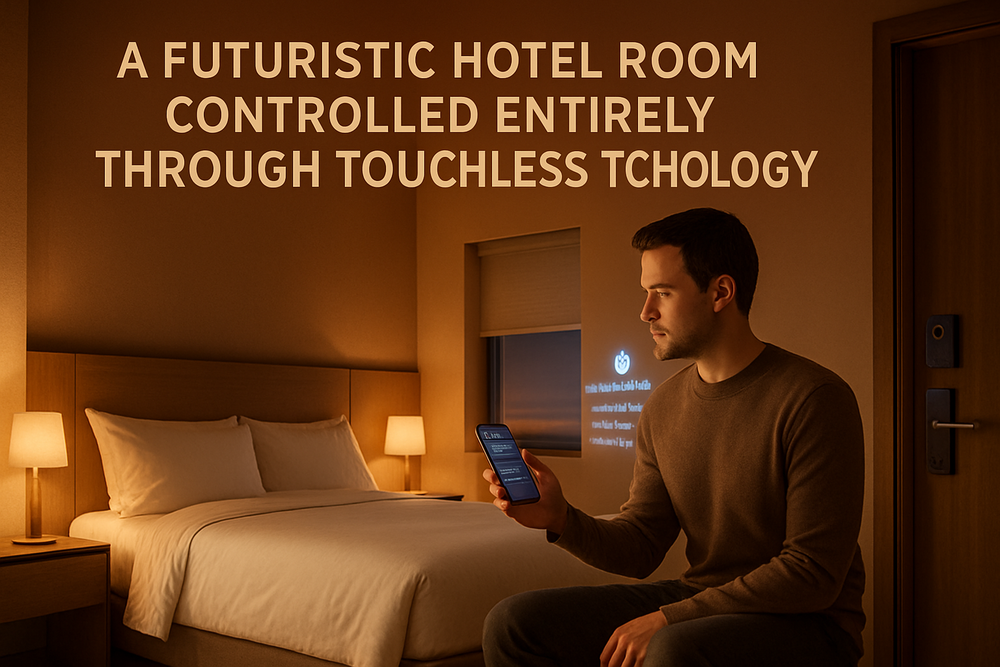
One of the most visible transformations in hotel technology is the shift toward touchless rooms. In response to growing health awareness and the desire for convenience, many hotels are integrating systems that allow guests to control nearly every aspect of their stay without touching traditional interfaces. Smartphones, wearable devices, and voice assistants can now manage lighting, temperature, entertainment systems, and even window shades.
Touchless technology also extends to check-in and check-out processes. Digital keys sent via mobile apps enable guests to skip the front desk entirely. QR codes and Bluetooth-enabled door locks reduce the need for physical keycards, while contactless payment systems streamline transactions for meals, spa treatments, and other amenities. Beyond safety and hygiene, this seamless experience makes traveling simpler and more efficient, allowing guests to spend less time navigating logistics and more time enjoying their stay.
Smart Beds: Sleep Meets Technology
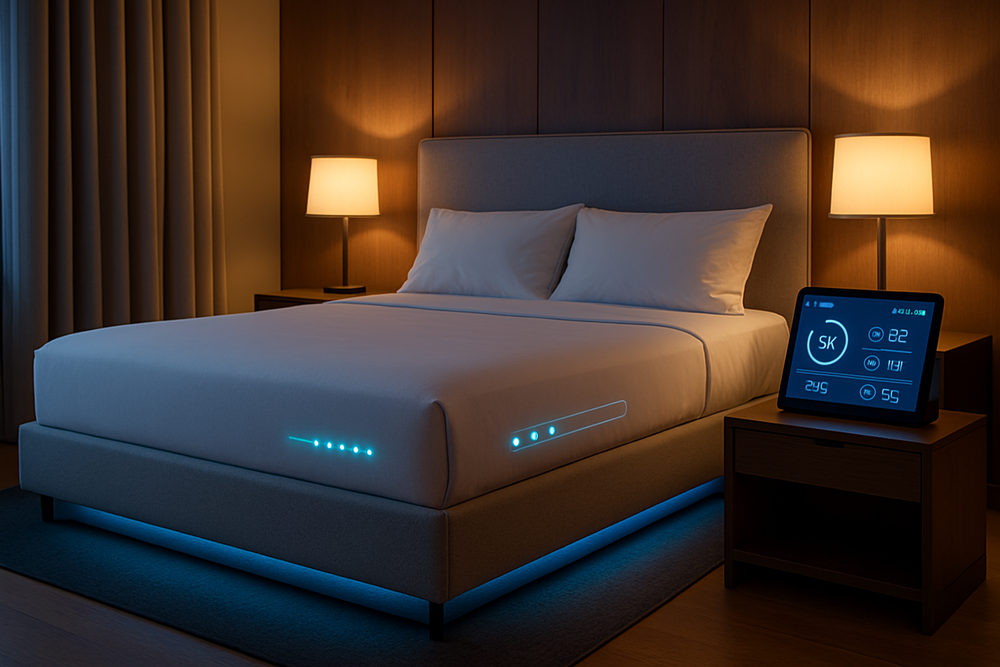
Sleep is one of the most critical factors for a comfortable hotel experience, and smart beds are revolutionizing how hotels address this essential need. Unlike traditional mattresses, smart beds can adjust firmness, temperature, and even elevation based on individual preferences. Some beds feature sensors that monitor sleep patterns, breathing, and heart rate, providing personalized feedback to help guests optimize rest.
In addition, smart beds can integrate with room climate systems to create an ideal sleep environment. For instance, the bed can communicate with the thermostat to adjust the room temperature gradually as the guest enters deep sleep phases. By combining comfort, health insights, and personalized settings, smart beds elevate the quality of rest, making the hotel stay feel both luxurious and restorative.
Hyper-Personalized Service: AI and Data-Driven Hospitality
Perhaps the most profound shift in hotel technology is the rise of hyper-personalized service. Using artificial intelligence, machine learning, and advanced data analytics, hotels can anticipate guest preferences and tailor experiences accordingly. For example, a hotel app might recognize a returning guest and automatically adjust room lighting, suggest favorite menu items, or recommend activities aligned with prior stays.
Personalization doesn’t stop at the room. Hotels are using AI to optimize concierge services, streamline housekeeping schedules, and even manage inventory for spa or dining experiences. Voice assistants can provide real-time recommendations for nearby attractions, restaurants, and events based on guests’ interests. The result is a deeply curated experience, where each interaction feels intentional and unique, rather than generic and standardized.
Integration With Sustainability Efforts
The adoption of advanced hotel technology also supports environmental sustainability. Touchless systems reduce paper usage for check-in documents and keycards, while smart energy management systems lower electricity consumption by adjusting lighting, heating, and cooling based on occupancy. Smart beds, while primarily designed for comfort, can also communicate with room energy systems to optimize power usage while the guest sleeps.
Hotels increasingly recognize that sustainability is not only an ethical responsibility but also a key factor for modern travelers. By combining hyper-personalized service with eco-conscious operations, hotels can offer both luxury and responsibility, appealing to a growing demographic of environmentally aware guests.
Challenges and Opportunities
While the potential benefits of these technologies are enormous, implementing them comes with challenges. The initial cost of installing smart systems, training staff to manage AI tools, and maintaining cybersecurity can be significant. Guests’ privacy concerns also require careful consideration, especially when tracking sleep data or monitoring in-room behavior. Transparent policies, robust encryption, and clear opt-in protocols are essential to maintain trust.
However, the opportunities far outweigh the challenges. Hotels that successfully integrate touchless systems, smart beds, and hyper-personalized services gain a competitive edge. Guests increasingly expect technology to simplify travel, enhance comfort, and provide tailored experiences. Those who embrace innovation early can cultivate loyalty, increase repeat bookings, and create a reputation as a forward-thinking, guest-centered brand.
The Guest Experience of Tomorrow
For the modern traveler, the future of hotel stays will blend convenience, comfort, and customization like never before. Imagine arriving at a hotel where your room is pre-set according to your preferred lighting and temperature, your bed adjusts to your ideal firmness, and the room anticipates your dining and activity preferences. Touchless technology keeps your experience seamless, while AI-driven services ensure every moment feels personalized.
In this vision of hospitality, the hotel is no longer just a place to sleep—it is an extension of your lifestyle. Whether traveling for business or leisure, guests can focus on experiences rather than logistics, creating memorable stays that feel effortless, efficient, and entirely tailored to their needs.
The future of hotel technology is already taking shape, transforming the way we travel and experience accommodations. Touchless rooms, smart beds, and hyper-personalized service are setting new standards for comfort, convenience, and luxury. These innovations not only improve the guest experience but also contribute to sustainability and operational efficiency, demonstrating that technology can be both practical and indulgent.