Travel has a rhythm to it, and most people only ever catch one beat. The high season — those compressed, luminous weeks when every hotel room is claimed and every famous viewpoint is shoulder-to-shoulder with fellow admirers — has come to define how many people understand the act of going somewhere. Yet just outside those crowded edges, in the quieter intervals that travelers' calendars tend to skip, lies a version of every destination that is often more honest, more affordable, and far more memorable.
The Meaning Behind Shoulder Season
The term *shoulder season* comes from the visual metaphor of a bell curve: the steep peak in the middle, flanked on either side by the softer, sloping shoulders. In travel, these are the weeks — sometimes only two or three on each side of the peak — when crowds thin, prices ease, and a destination begins to breathe again. Shoulder season isn't the off-season, with its shuttered restaurants and uncertain weather. It occupies a middle space that combines real access with genuine calm. Kyoto in early April, just before cherry blossom season reaches full saturation, offers the same temples and garden paths as the peak weeks but with noticeably fewer visitors and a sense that the city still belongs to itself.
What Changes When the Crowds Thin
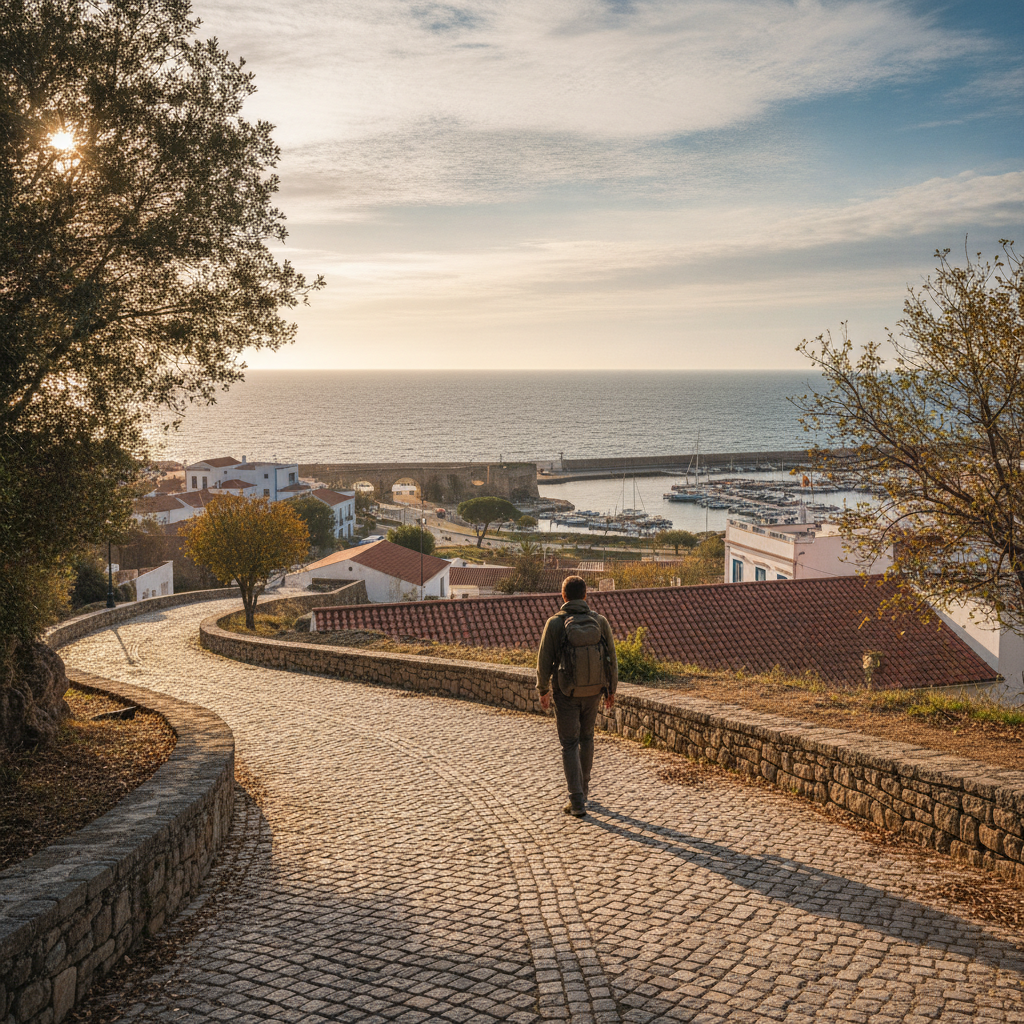
The difference between peak and shoulder travel isn't purely logistical. Something shifts in the experience itself when a place isn't performing for its maximum audience. Street markets in Lisbon's Alfama district feel less like curated backdrops and more like actual commerce. Museum rooms in Florence become places of quiet reflection rather than managed foot traffic. The people who work in these places — the hotel staff, the restaurant owners, the guides — have more time and more energy. Interactions become less transactional. A conversation at the front desk of a small *pensione* in Seville might yield a recommendation that no travel app would surface, simply because there's time for one.
This quality of attention, offered and received, is one of shoulder season's least-discussed gifts. When a destination isn't overwhelmed by demand, the hospitality that drew travelers there in the first place has room to reassert itself. Service improves not because standards change but because pressure decreases. The experience begins to resemble what the place actually is, rather than what it becomes under siege.
Practical Rhythms Worth Understanding
Shoulder season timing varies significantly by destination, and understanding those rhythms takes a small amount of research that pays generous dividends. The Greek islands, for instance, shift into shoulder mode in late May and again from mid-September through October — periods when the Aegean is still warm enough to swim, the light is extraordinary, and the ferry routes between islands run reliably. Iceland's shoulder windows fall in May and late August, when the midnight sun still lingers but the summer's peak tourist volumes haven't arrived or have just departed. Patagonia's shoulder season, roughly November and March, catches the region at its edges of the austral summer — still dramatic, still accessible, with lodges at Torres del Paine more likely to have open beds.
Pricing during these windows tends to reflect the reduced demand honestly. Flights are often meaningfully cheaper, not because the route is different but because the seats aren't competing against a fixed calendar of school holidays and national festivals. Hotels in shoulder season will frequently offer room categories that sell out instantly during peak weeks. The practical result is that a traveler spending the same amount as they would during high season can often afford a meaningfully better room, a slower pace, and more meals at places they actually choose rather than places with availability.
The Cultural Texture of Quieter Travel
There is a French concept — *dépaysement* — that describes the disorienting, pleasurable feeling of being somewhere entirely foreign to one's routine. It's the sensation that travel, at its most effective, is supposed to produce. Ironically, that feeling is often harder to access during peak season, when the infrastructure built around tourism insulates visitors from anything genuinely unfamiliar. Shoulder season removes some of that insulation. The traveler who arrives in Oaxaca in early October, just after the summer crowds have receded, finds a city preparing for *Día de Muertos* on its own terms — markets filling with marigolds, local families commissioning altars — rather than orienting itself entirely around outside observers.
This kind of encounter, where a traveler witnesses something that would be happening regardless of their presence, is the closest most people get to understanding a place from the inside. It requires showing up at the right time, which often means showing up slightly before or after everyone else.
Choosing Your Own Shoulder Window
If shoulder season travel appeals to you, the planning shift is less dramatic than it might seem. The core adjustment is releasing attachment to the peak dates themselves — the two weeks in August, the spring break window, the exact stretch of December. Research the shoulder window for your intended destination by looking at when school holidays end in the countries that send the most visitors there. European beach destinations empty noticeably once French and German school calendars resume in early September. Southeast Asian destinations like Hoi An and Chiang Mai see meaningful drops after January's festival peak but remain beautiful and very much open through February. Give yourself a week on either side of the dates you initially considered and see what the pricing, availability, and weather actually look like. The difference is frequently startling.
The travelers who return from trips describing an almost implausible ease — no queues, friendly staff, a table at a restaurant they'd read about for years — are rarely reporting luck. They're reporting the quiet, consistent rewards of arriving just slightly off the beat that everyone else is following, in the calm shoulder of the season, where the real experience of a place has space to be itself.